Rule Driven Confirmation or Anticipation for Retail Traders, 1–2% Risk

Confirmation means waiting for a validated breakout, volume spike, or signal before entering a trade; anticipation means entering earlier, based on chart structure, with a tighter stop. As a rule of thumb, confirmation is the safer, more repeatable choice for newer traders, while anticipation only works with strict structural checks and real screen time. The rules below show how to apply both.
TL;DR:
- Confirmation trades require a volume surge of at least 1.5 times the 20-day average for higher reliability, unlike anticipation which relies on structural signals.
- Confirmation is safer for beginners because it waits for proof of a move, while anticipation demands experience and strict adherence to a checklist of base tightness, volume, and prior trend.
- Market conditions such as trending regimes and rising volatility favor confirmation entries, whereas range-bound markets and low liquidity increase anticipation risk.
- Using multiple confirmation signals like volume, price retests, RSI, and MACD significantly reduces false breakouts compared to relying on a single indicator.
- Automating rule enforcement with tools like Big Move Algo helps traders consistently follow safe entry, stop, and exit rules, minimizing emotional errors.
Table of Contents
- Confirmation and Anticipation: Key Differences Traders Should Know
- How to Choose Between Confirmation and Anticipation by Market Regime
- Step-by-Step Entry and Exit Rules You Can Automate
- Which Confirmation Indicators Actually Reduce False Signals
- The Anticipation Checklist: Structure, Stops, and Failure Points
- Risk Controls and Mistakes That Cost Retail Traders Money
- How an Indicator Like Big Move Algo Can Enforce These Rules
- A Trader’s Take on Balancing Both Approaches
- Put These Rules on Autopilot With Big Move Algo
- FAQ
- Sources
Confirmation and Anticipation: Key Differences Traders Should Know
Confirmation is a trading approach that waits for proof: a breakout candle that closes above resistance, a volume surge, or a momentum signal that validates the move is already underway. Anticipation is a trading approach that enters before that proof arrives, based on a tightening price structure that suggests a move is building. A confirmation trader buys after a stock closes above its 50-day high on strong volume. An anticipation trader buys while that same stock is still coiling near resistance on thinning volume, betting the breakout is close.
The trade-offs run in opposite directions:
- Timing: confirmation enters later; anticipation enters earlier, often days ahead of the move.
- Stop size: confirmation typically needs a wider stop below the breakout level; anticipation can use a tighter stop under the base.
- Win rate vs payoff: confirmation tends to have a lower average entry price advantage but higher reliability; anticipation offers better reward-to-risk when right, but more false starts.
- Emotional demand: confirmation suits mechanical, rule-following traders; anticipation demands discipline to avoid guessing.
Beginners generally do better with confirmation because it removes the judgment calls that cause impulsive, rule-free trading. Anticipation rewards experience: traders who have seen enough tight bases play out, and enough fail, to size risk correctly.
How to Choose Between Confirmation and Anticipation by Market Regime
Picking the right approach starts with reading the environment, not the chart pattern alone.
- Check the regime first: trending markets with steady volume favor confirmation breakouts; range-bound, low-liquidity markets make anticipation riskier because false starts are common.
- Read volatility before entry: rising volatility after a quiet period often favors anticipation, since compressed ranges tend to resolve sharply.
- Watch the news calendar: anticipation positions ahead of earnings or economic releases carries added gap risk; confirmation absorbs that risk after the move is visible.
- Confirm liquidity: thin order books punish anticipation entries with slippage, while confirmation entries on a breakout usually coincide with a volume influx.
A strong prior run, a tight base, and drying volume are the classic anticipation setup. A clean breakout above resistance on a volume surge is the classic confirmation setup. In options markets, TSIVOL inversion signals that near-term uncertainty is elevated, often favoring volatility-based anticipation strategies over directional confirmation trades.
Step-by-Step Entry and Exit Rules You Can Automate
Turning either approach into a repeatable rule set makes it easier to test and codify into an alert.
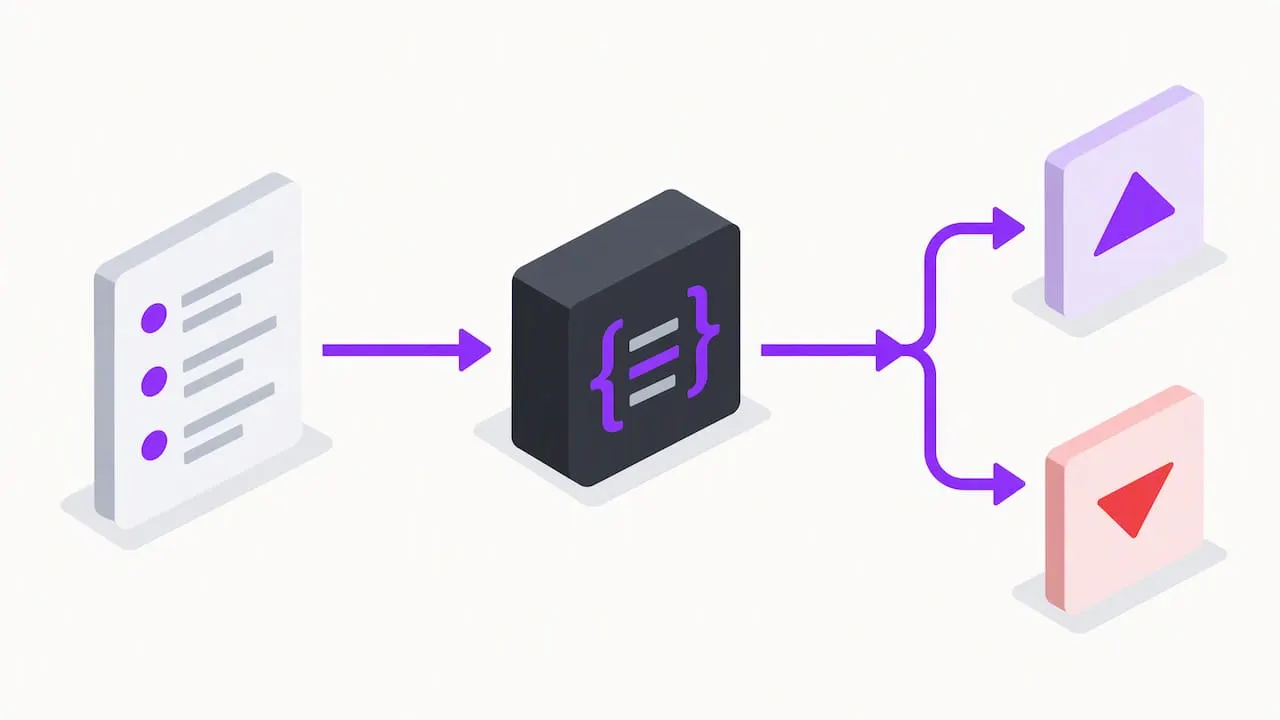
- Confirmation entry: wait for a daily close above the prior resistance level on volume at least 1.5 times the 20-day average; place the stop below the breakout candle’s low.
- Anticipation entry: confirm a tight base (price range under 5% for at least five sessions) with volume below its 20-day average; place the stop just under the base low.
- Position sizing: risk no more than 1% to 2% of account equity per trade, calculated from entry to stop, regardless of which style you use.
- Target management: scale out a portion at a measured move equal to the base’s height, then trail the remainder.
Both rule sets translate directly into TradingView alert logic using close-price and volume conditions, which removes the temptation to eyeball the chart mid-session.
Pro Tip: Write your entry rule down in plain language before coding it. If you can’t state it in one sentence, it’s not a rule yet, it’s a feeling.
Which Confirmation Indicators Actually Reduce False Signals
Confirmation works best when multiple signals agree rather than relying on price alone.
- Volume: a breakout on volume at least 1.5 times the 20-day average baseline carries more weight than one on thin volume.
- Price action: a daily close above resistance, ideally followed by a successful retest of that level as new support, filters out single-candle fakeouts.
- Momentum and trend filters: RSI confirming the move isn’t already overbought, MACD crossing in the direction of the breakout, and a rising moving average all reduce the odds of chasing a false move.
Chart patterns such as triangles, flags, and pennants are commonly combined with volume and momentum checks to confirm continuation moves rather than relying on the pattern alone. Combining two or three of these filters, rather than one, is the practical way to cut down on false breakouts. A step-by-step checklist for confirming signals with volume walks through this combination in more detail.
The Anticipation Checklist: Structure, Stops, and Failure Points
Legitimate anticipation isn’t guessing. It follows a narrow, specific checklist:
- Prior directional run: the asset should already be trending before it pauses to build a base.
- Tight base: price should compress into a narrow range, ideally under 5% to 8%, over at least several sessions.
- Drying volume: volume should fall as the base tightens, signaling sellers are stepping away.
- Upper-half hold: price should hold in the upper half of the base rather than sagging toward the bottom.
Stops sit just under the base low, which keeps risk small relative to the potential move, often producing a better reward-to-risk ratio than a confirmation entry. The common failure mode is entering on a partial setup, for example a tight base without drying volume, which behaves more like a random guess than a structured trade. When two or more checklist items are missing, skip the anticipation entry and wait for confirmation instead.
Pro Tip: If you can’t check all four boxes without stretching the definition, you’re not looking at an anticipation setup, you’re looking for an excuse to enter early.
Risk Controls and Mistakes That Cost Retail Traders Money
Both approaches fail without basic risk discipline. The SEC warns that day trading is risky and that many retail day traders suffer severe losses, cautioning investors not to fund day trading with money they can’t afford to lose. FINRA’s day-trading risk disclosure requires firms promoting day trading to furnish specific risk disclosures and assess account suitability, a reminder that leverage and margin amplify both approaches’ downside.
- Cap risk per trade: 1% to 2% of account equity, set before entry, not adjusted mid-trade.
- Avoid late confirmation: chasing a breakout well after the close, once the move has extended, inflates your stop distance and worsens reward-to-risk.
- Avoid impulsive anticipation: entering on a base that hasn’t met every checklist item is a common, costly error.
- Respect margin limits: leveraged anticipation entries can trigger outsized losses if the base fails.
How an Indicator Like Big Move Algo Can Enforce These Rules
Rules only help if they get followed on every trade, which is where automation earns its place. Our Big Move Algo indicator applies a consistent rule set to generate Long, Short, and Exit signals, removing the temptation to override a setup mid-session.
- Fake Trend Detector: filters out low-quality conditions where neither confirmation nor anticipation setups are reliable.
- AUTO Mode: lets newer traders test confirmation-style rules with minimal setup before customizing further.
- Manual Mode: gives experienced traders room to adjust parameters once they understand their own anticipation tolerance.
Readers who want to see the setup in action can review our indices day trading sizing and live algo guide for a worked example.
A Trader’s Take on Balancing Both Approaches
I lean on confirmation for most trades and save anticipation for setups where every checklist box is checked, nothing more. My personal rule is simple: if I’m tempted to enter early without a tight base and drying volume, that’s confirmation bias dressed up as a thesis. Anticipation skill builds slowly, through journaling failed setups, not through forcing early entries.
— Steven Hartwell
Put These Rules on Autopilot With Big Move Algo
Writing confirmation and anticipation rules down is one thing. Following them on every single trade, without hesitation or override, is harder. Our Big Move Algo indicator applies the Fake Trend Detector and structured Long, Short, and Exit signals automatically, so the checklist above runs in the background instead of in your head.

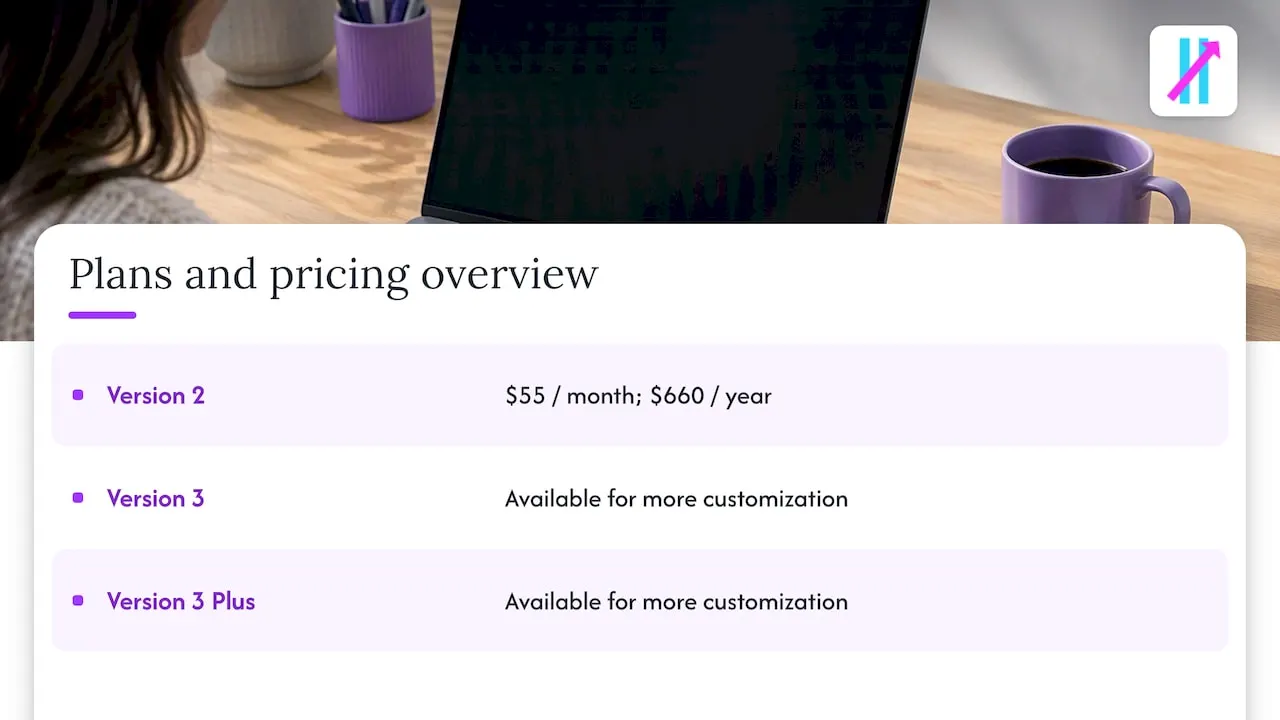
Our plans start with Version 2 at $55 per month or $660 per year, with Version 3 and Version 3 Plus available for traders who want more customization. Check the plans and pricing page or get started directly from our product overview.
This article is general information, not a substitute for advice from a qualified financial advisor. Consult a qualified financial professional about your own circumstances before acting on anything here.
FAQ
What is the 3-5-7 rule in trading?
It’s a position-sizing heuristic rather than an entry signal, and it pairs with either confirmation or anticipation rules above.
What is the best proven trading strategy?
No single strategy is proven to outperform across every market and condition. Confirmation-based entries tend to suit traders who prioritize consistency and automation, while anticipation suits those with the experience to read tight structural setups, and SEC guidance stresses that day trading carries real risk regardless of approach.
Can you make $1,000 a day with day trading?
Day trading income varies enormously by account size, strategy, and market conditions, and there’s no fixed outcome. The SEC notes that many retail day traders suffer severe losses, so results should never be assumed or treated as predictable income.
What are the best confirmation indicators for trading?
The most widely used confirmation indicators combine volume (often 1.5 times a stock’s average), a clean price close above resistance, and a momentum filter like RSI or MACD. Combining two or three of these reduces false breakouts more reliably than relying on any single signal, as detailed in this list of trend confirmation indicators.
How do I manage anticipation risk without overtrading?
Stick to the full structural checklist: a prior directional run, a tight base, drying volume, and price holding in the upper half of that base. Skipping any item turns an anticipation trade into a guess, so when the setup isn’t complete, wait for confirmation instead.
Sources
- SEC investor publications on day trading
- FINRA Day-Trading Risk Disclosure (Attachment A to Rule 2270)
- Predicting large currency moves from the FX options market — CME Group